Free as the Ocean
  • HOME
  • OUR STORIES / BLOG
    • STORIES FROM THE OCEAN
    • STORIES FROM AROUND THE WORLD
      • Russia
      • Japan
      • Hong Kong
      • China
      • Tibet
      • Nepal
      • Malaysia
      • Indonesia
      • Sri Lanka
      • India
      • Thailand
      • Myanmar
      • Laos
  • TRAVEL PHOTOGRAPHY
    • NORTHEAST ASIA
      • Russia
        • Moscow
        • Irkutsk
        • Listvyanka
        • Vladivostok
      • Japan
        • Tokyo
        • Yokohama
        • Kamakura
        • Hakone and Lake Ashi
        • Osaka
        • Kyoto
        • Nara
        • Hiroshima
      • China
        • Hong Kong
        • Guilin
        • Zhangjiajie
        • Shanghai
        • Beijing
        • The Great Wall
      • Tibet
        • Lhasa
        • The Himalayas
    • SOUTHEAST ASIA
      • Malaysia
        • Kuala Lumpur
        • Kutching and Bako N.P.
        • George Town
      • Indonesia
        • Bukit Lawang
        • Lake Toba
        • Bromo and Ijen
        • Yogyakarta
      • Thailand
        • Bangkok
        • Phuket
      • Myanmar
        • Mandalay
        • Bagan
        • Yangon
      • Laos
        • Mekong Cruise
        • Luang Prabang
        • Nong Kiaw
    • SOUTH ASIA
      • Nepal
        • Kathmandu
        • Chitwan
      • Sri Lanka
        • Colombo
        • Kandy
        • Ella
        • Dambulla
        • Mirissa
        • Galle
      • India
        • Bengaluru
        • Jaisalmer
        • Jodhpur
        • Jaipur
        • Agra
        • New Delhi
    • SOUTH AMERICA
      • Argentina
        • Buenos Aires
        • Ushuaia
        • Perito Moreno
      • Chile
        • San Pedro de Atacama
  • TRAVEL ABC
  • CONTACT
  • | DEUTSCH
  • Click to open the search input field Click to open the search input field Search
  • Menu Menu

Tag Archive for: Lhasa

Tibet

Seven days in Tibet

Lhasa felt like an incredible place to be in, which we always wanted to discover. But exploring the ancient capital of Tibet was not the only big wish of ours. There was much more that we wanted to see and Lhasa happened to be just the start of our adventure in the Himalayas.

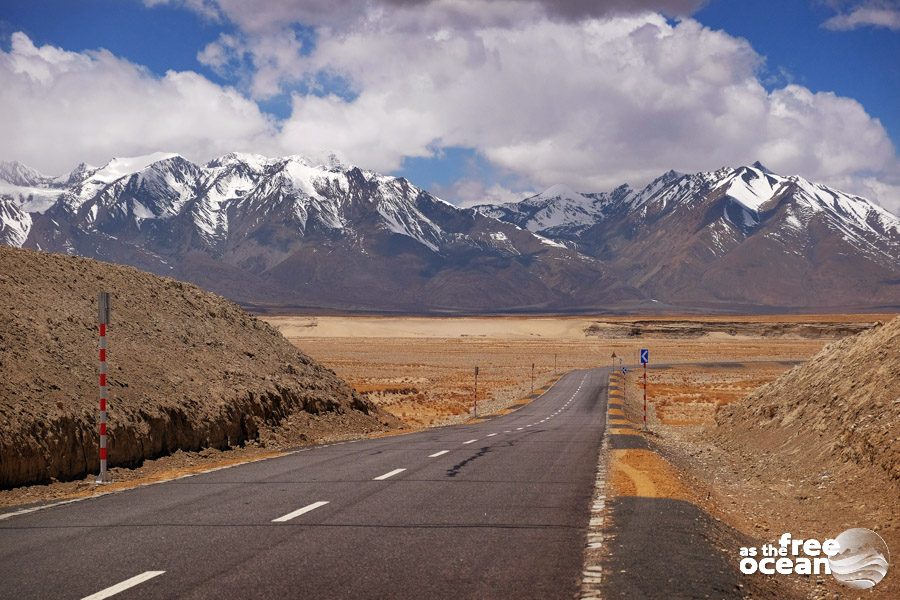
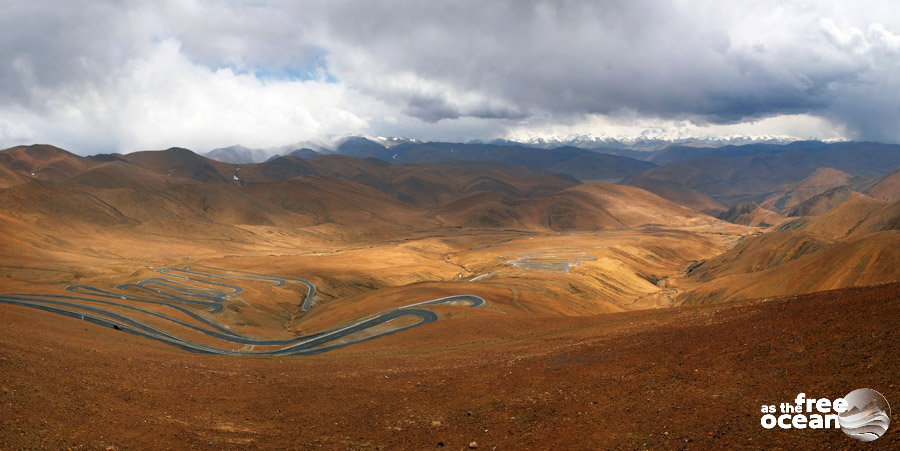
We wanted to cross from Tibet into Nepal and the best way to do so was by going over the mountains, following the approximately 800 km long “Highway of Friendship” that connects the capital of Tibet with the Nepalese border.
HIMALAYAS TIBET


We already spent almost four days exploring the streets of Lhasa and learning about local traditions and how Buddhism shaped people’s beliefs and influenced their history.

On the fifth day after our arrival in Lhasa, we went to find out and understand more of what life feels like when surrounded by the highest mountains in the world. We discovered impressive landscapes at our arrival in Tibet, but the journey across the Plateau was about to surprise us with even more spectacular views.

The Tibetan Plateau

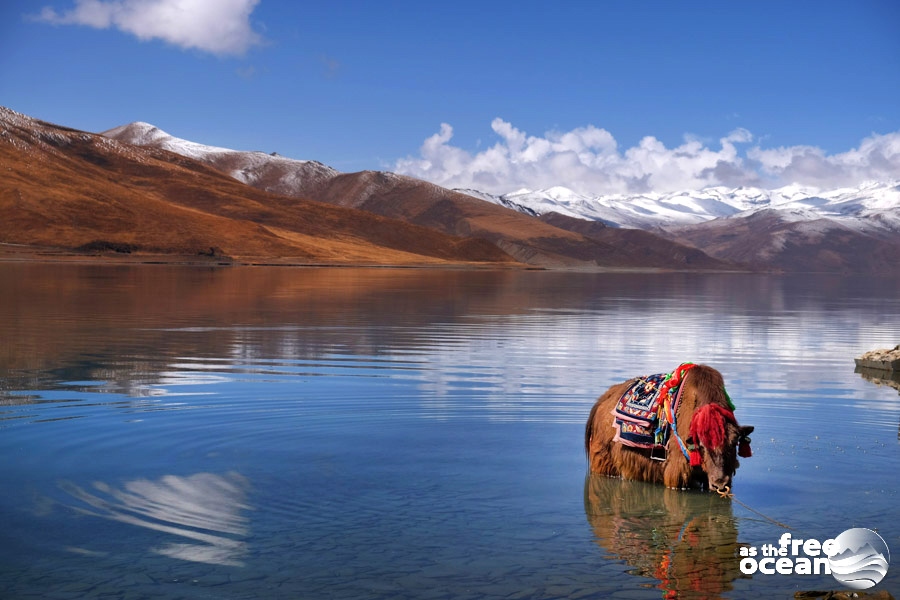
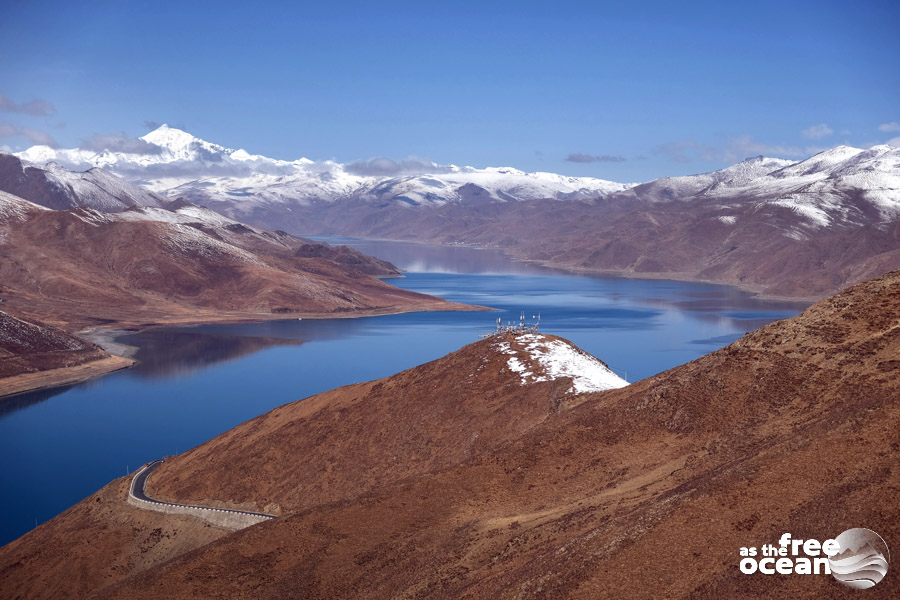
Our group left Lhasa early in the morning and we drove over the Gangbala Pass (4790 m) to the Yamdrok Lake. We continued along the lake’s side and stopped for a picture of the beautiful Mt. Naiqinkangsang reflecting in the clear waters of the lake. During our stay in Lhasa, the weather still felt warm, but at this point in the trip, we could already feel the cold winds and touch the snow.
HIMALAYAS TIBET


While the highway across Tibet is the result of modern engineering, traditions and religion are also present for as far as the road is stretching. Praying flags can be seen everywhere, making it obvious that people’s beliefs are strong and their spirit still rules over these lands.

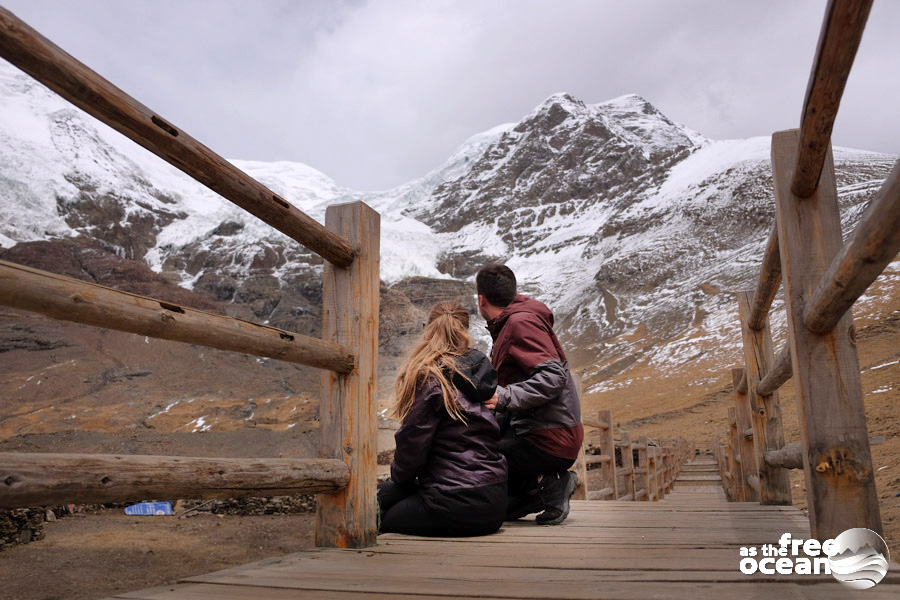
Two hours later we reached another important point, the Korola Glacier which we could admire from the roadside. It isn’t a big glacier but still an impressive one to admire as it climbs down the mountain at 300 m close to the viewpoint. Its white peak against the blue sky, overlooking the small stupa at the bottom and the yaks that roam freely in the surrounding valley offer a beautiful and typical Himalayan landscape.
HIMALAYAS TIBET

Shigatse, home of the Panchen Lama

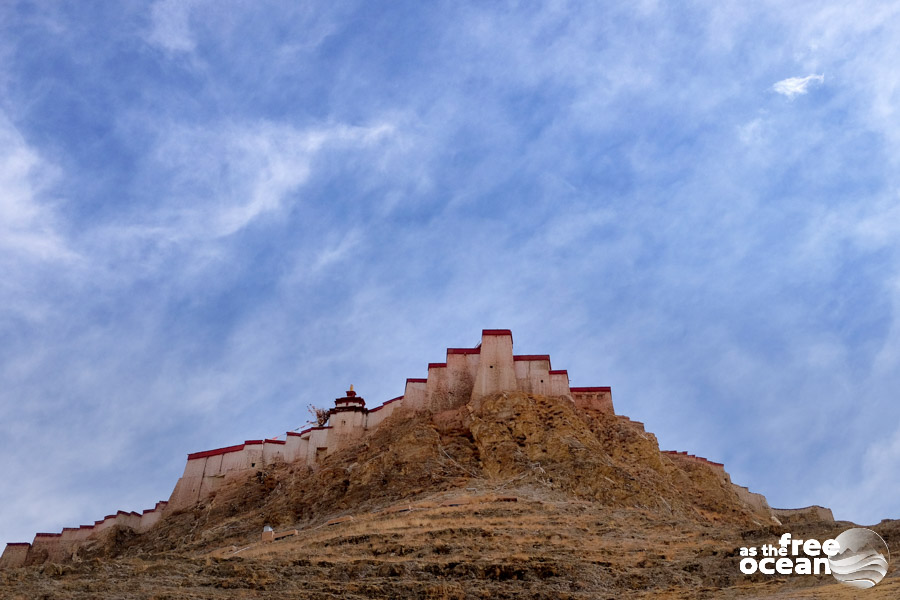
The road led us to Gyantse, where we could admire the beautiful fortress that resembles a smaller version of the Potala Palace.
HIMALAYAS TIBET


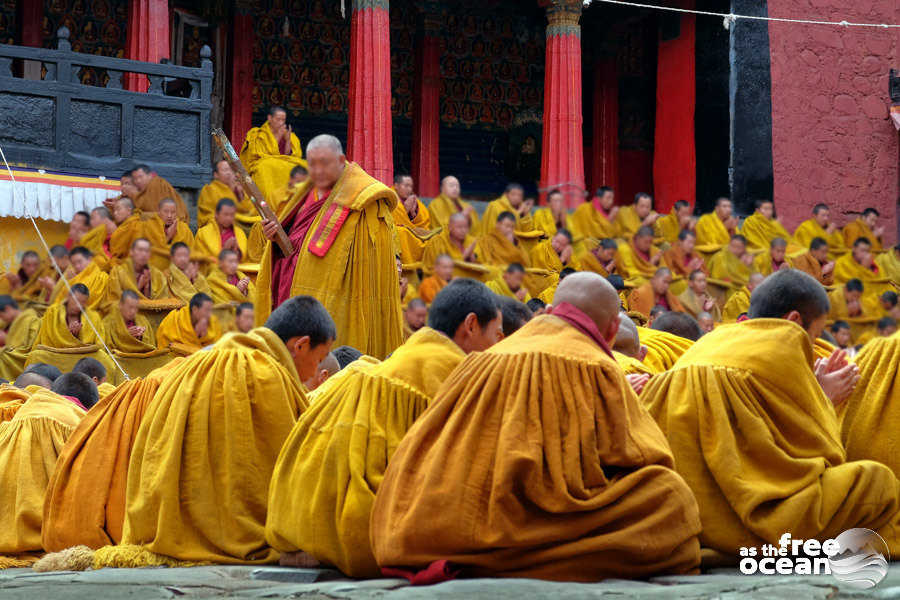
As we were getting closer to the end of the day, we rushed to Shigatse, where we were the last ones to enter the Tashilhunpo Monastery. We considered ourselves blessed for having the chance to witness the chanting of the monks. The experience was truly impressive and the joy of being part of that religious ceremony was beyond words, as tourists are usually not allowed inside the monastery during these rituals.
HIMALAYAS TIBET


At the end of the day, we were rewarded with a delicious Tibetan dinner and a good sleep, before the start of our most exciting day in Tibet.

The Himalayan Mountains in Tibet

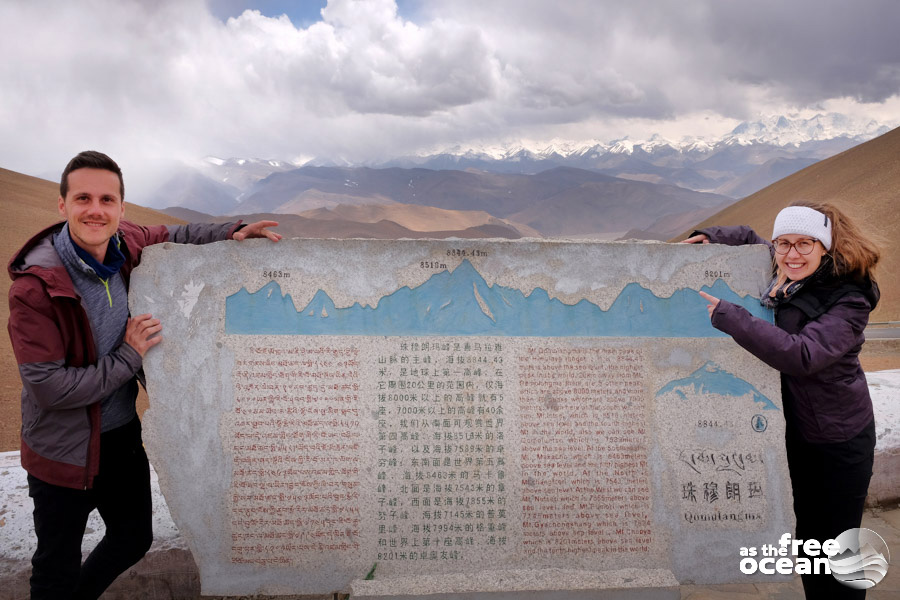
The following morning we continued our ascension towards the Tsola Pass(4600 m) and later to the Gyatsola Pass(5248 m), arriving in the afternoon at the Kyawula Pass(5180 m) where we were rewarded with the most impressive view over the Himalayan Mountains. The most extraordinary of all, the Everest (or Qomolangma, as it is known to the Tibetan people), was eclipsed by heavy clouds but later in the evening, we would be offered another chance to admire its imposing presence.
HIMALAYAS TIBET


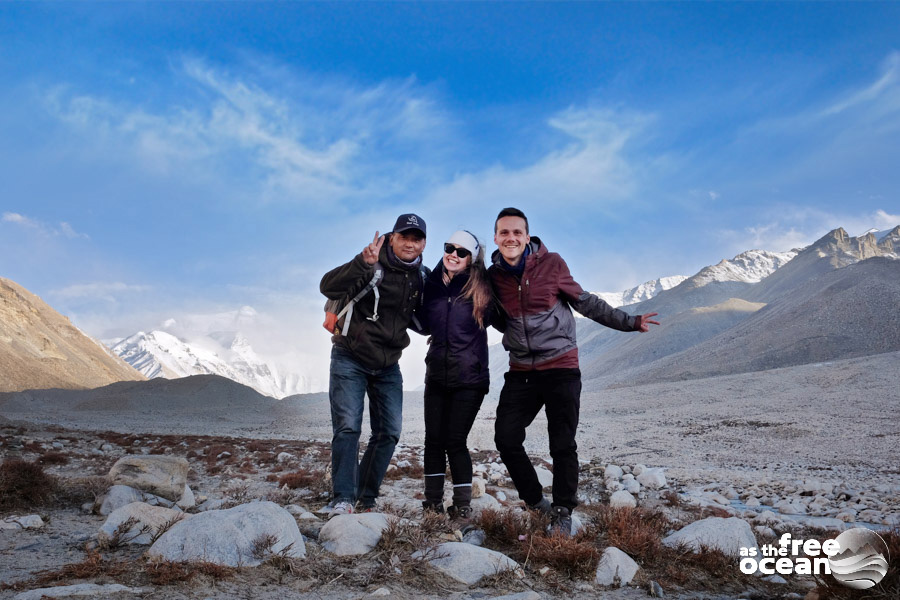
A zigzag road brought us to the Everest Base Camp, at 5200m altitude. We left our backpacks in the room of the Rongbu Monastery Guesthouse, where we would spend the night, and climbed the hill that was separating us from the Base Camp, from where we watched the heavy clouds revealing the peak of the highest of the mountains of the world, the Everest. It has been such a spectacle, waiting in the cold for the mountain to reveal itself while the sun went down, leaving behind golden light traces over the peak.
HIMALAYAS TIBET

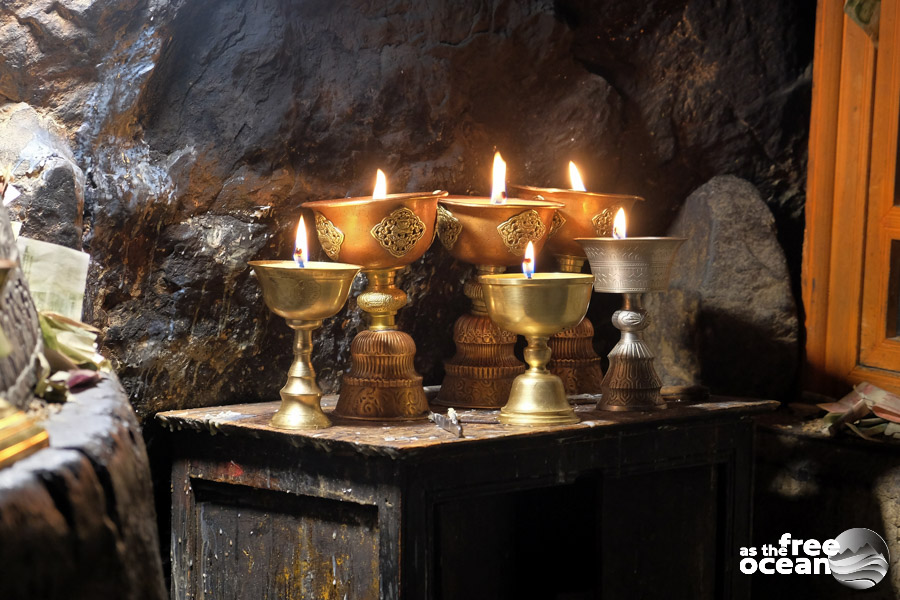
Later we found shelter in the cave of the Rongbu Monastery, the highest monastery in the world, where we’ve been welcomed by two monks that gave us their blessing, before returning to the guesthouse as the night took over the entire valley.
HIMALAYAS TIBET


The room at our accommodation was simple. There was no running water, no toilet (except the traditional squat toilet found in most places in Tibet, which is usually just a hole in the ground), no heating system… but it featured a Wi-Fi connection. There are also tents available at the Base Camp, that are being put up from April to November.

We kept the warm jackets on that night, hiding from the cold under a thick quilt. Temperatures at the base of Everest can easily drop under zero degrees even in summer, so it is wise to keep extra warm layers close by.

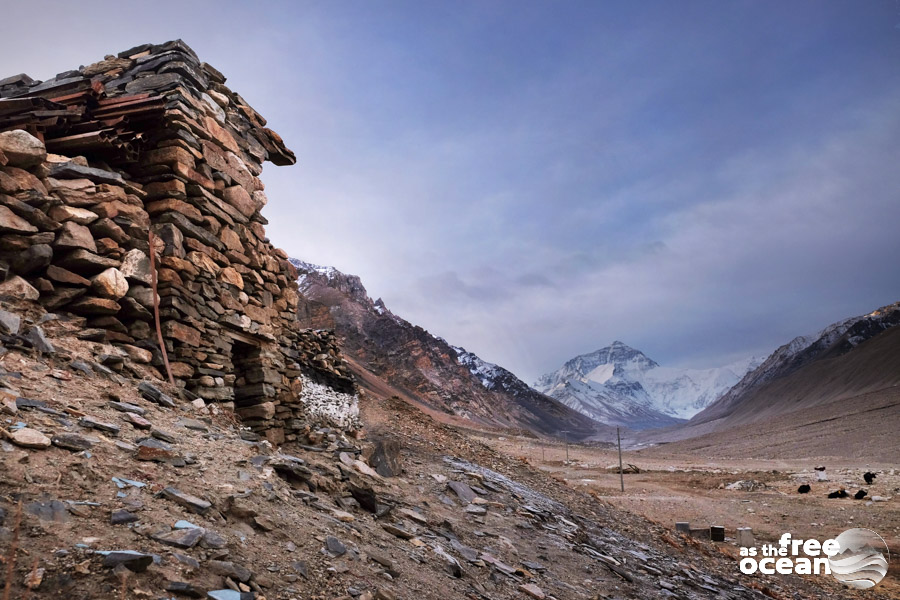
In the following morning, we found frost flowers on the windows, through which we could admire once again the Everest that was silently looking over the valley. It has been an experience full of beautiful and overwhelming emotions that we find hard to describe.
HIMALAYAS TIBET

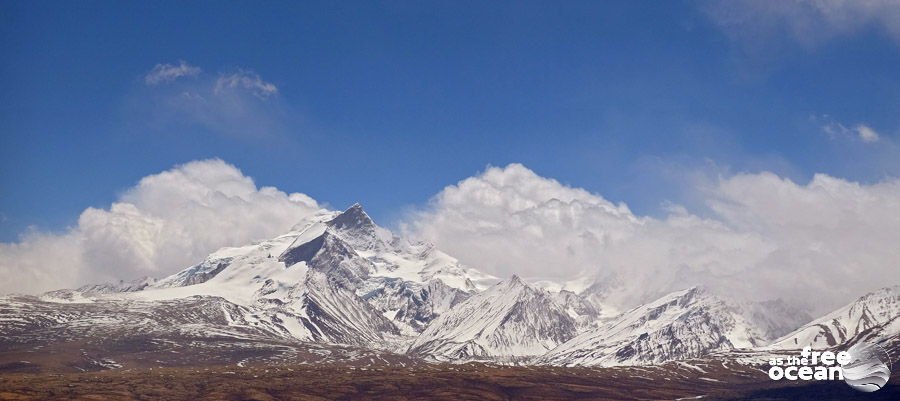
Our journey through Tibet continued towards the Ghungtang Lhamo (5236 m), along the Pekutso Lake, with a short stop to admire the Shishapangma Mountain and ended later in the afternoon at the Kyirong border.
HIMALAYAS TIBET


It was the end of our 7th day in Tibet. We had the last dinner with our guide Jigme and went early to sleep, as in the following morning we would cross the border into Nepal and continue our trip towards another ancient capital of the world, Kathmandu.

See more pictures of our journey in Tibet by clicking here.
July 28, 2018/by Ndu
http://www.freeastheocean.com/wp-content/uploads/2019/08/TIBET-223B.jpg 600 900 Ndu https://www.freeastheocean.com/wp-content/uploads/2019/03/FREE-AS-THE-OCEAN-LOGO-WHITE-SMALL.png Ndu2018-07-28 16:06:462019-08-02 21:03:22Seven days in Tibet
Tibet

Lhasa – the ancient capital of Tibet

It was late in the afternoon when we left Xining behind, embarking on a 20 hours train ride to Lhasa, through the spectacular and wild landscapes of the Tibetan plateau. During old times, traveling to the “Roof of the World” was always a long journey, but after communist China took over these lands a massive project started being implemented across the vast plateau, including the construction of a highway that stretches all the way through the Himalayan Mountains till the border with Nepal.

TIBET HIGHWAY


The most convenient option among foreign visitors that travel from mainland China to Lhasa is the train, which reserves also more chances to admire the beautiful landscape offered by the tall white peaks of the mountains.

Tibet Travel Permit

An important detail to mention about visiting Tibet is that foreign visitors are not allowed into the plateau if they are not part of a tour. Special permits have to be organized at least 20 days in advance by the mountaineering association in Tibet and a guide must accompany visitors in every day of their stay. For the ones that plan to visit only Lhasa, they can explore the streets of the city outside the tour’s schedule, as long as they don’t leave Lhasa.

We contacted a Tibetan agency right after our arrival in Hong Kong when we were told that our stay in China would be limited to 30 days. Being on the roof of the world was a dream that came true (and I guess that whoever watched the movie “Seven Years in Tibet” felt a desire to experience one day being in this place themselves). Miriam’s enthusiasm was as big as mine when we started planning our trip to Lhasa. Once we got the confirmation from the agency, we booked our train tickets (which sell out fast, so book in advance!) and planned the rest of our trip through China.

The train across the Himalayan Mountains

Three weeks later we boarded a very crowded overnight train from Xining, where we spent two days in order to acclimatize easier to the high altitudes once we would arrive in the Himalayas. We found only standard hard seats on the train because all sleepers were already booked, so we joined other passengers in a carriage more crowded with luggage than with people. It felt like one of the longest rides we ever experienced due to the lack of comfort, but we had many chances to forget about it whenever the view out of the window was able to catch our attention.

We crossed a gigantic sea of sand in which a few little traditional Tibetan houses were the only proof that once humanity took over these mountains. Thousands of yaks (large domesticated wild oxen with shaggy hair) were also part of the landscape. We found out later how much these animals are integrated into the Tibetan tradition and lifestyle.

YAC TIBET


The sunrise in the morning prior to our arrival was extremely beautiful when the light reflection in one of the lakes brought the shapes of the mountains to life and revealed spots of color in this apparently infinite valley. Each hour that brought us closer to Lhasa lifted up our excitement and the impression when we arrived met all our expectations about how the city would feel like.

We received a copy of our permits for Tibet via email from the agency that we booked the tour with. It is important to keep a copy of it as the ticket for the train to Lhasa cannot be obtained without. The same rule applies at the arrival, where Chinese authorities will collect passports in order to verify that all visitors are in the possession of a valid permit.

Lhasa – the ancient city

Outside the station our guide welcomed us in the typical Tibetan way, offering us traditional ceremonial scarfs, called khatas. Tibetan khatas are usually white and made out of silk. The white color symbolizes purity and compassion of the giver, but yellow-golden scarves are also used. The guide drove us to our accommodation, a beautiful hotel in the old town of Lhasa.

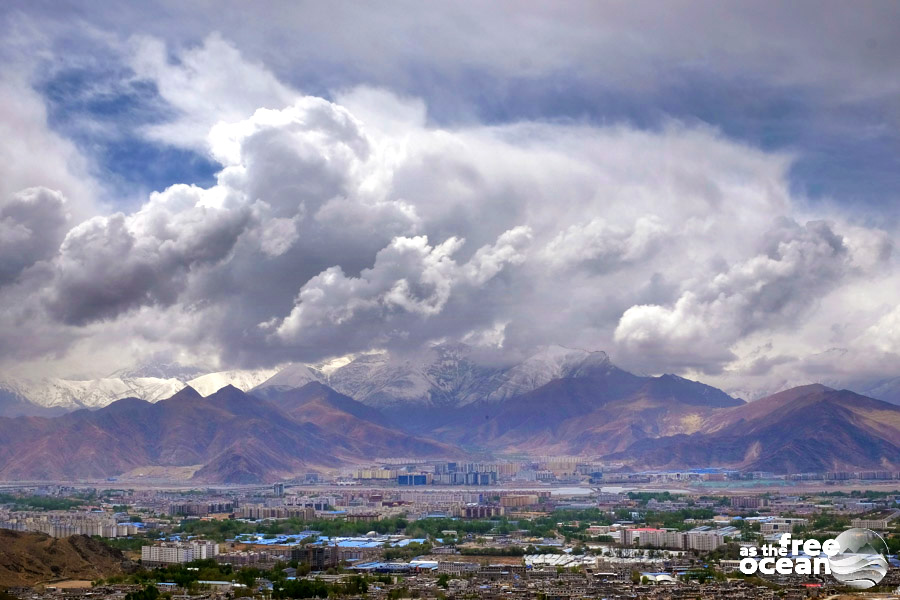
After the Chinese invaded the Tibetan territories in 1949 and later officially integrated them as part of the newly declared People’s Republic of China, Tibet went through major changes starting from the years when the Chinese Cultural Revolution took place till recent times. Modern buildings brought contrast in the architecture of the ancient plateau and foreign brands found their way into the local stores.

LHASA TIBET


The western part of Lhasa is inhabited mostly by Chinese Han people and it is more modern and busy. The old town of Lhasa instead is still profoundly traditional and its architecture continues to reflect the authenticity of the Tibetan lifestyle and the impact of the Buddhist religion on the history and social development of these lands.

The location of our hotel allowed us to lose ourselves on the narrow streets of this ancient labyrinth of tiny houses and temples. While the day of our arrival felt still challenging from the perspective of our efforts to adapt to the new altitude, soon after we were able to explore the neighborhood and understand the particularities of life in the capital of Tibet.

Religion and tradition

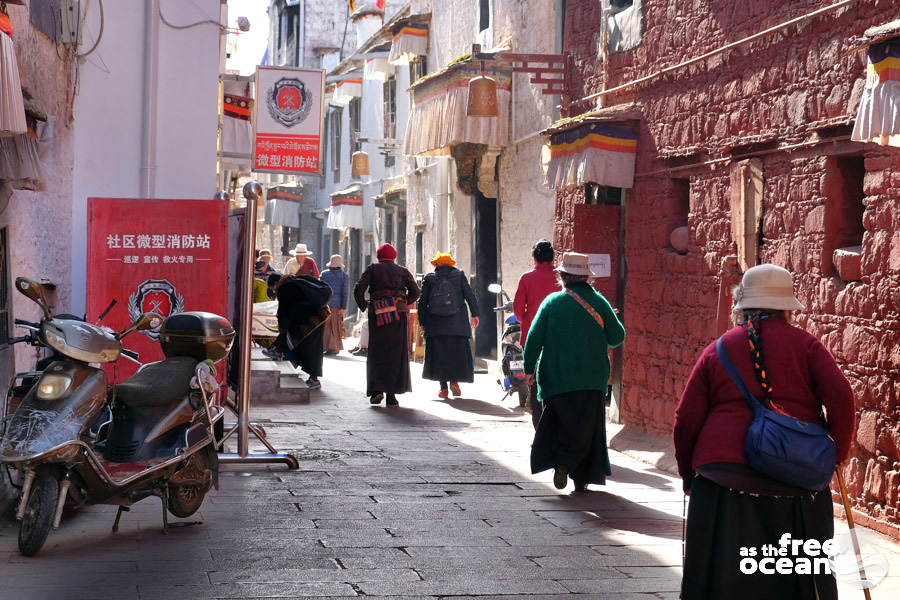
From all factors, religion had probably the strongest impact on the way people lived their lives over the centuries. After the Chinese occupation of Tibet and the destruction of more than 6000 monasteries, the religion has been constantly under threat for many years. But nowadays, despite the tumultuous events of the past decades, Buddhism and Tibetan tradition continue to be strong and evident. Tibetans are still proudly wearing their traditional clothes while walking on the crowded streets or while engaging in koras (a type of pilgrimage consisting of a clockwise circumambulation of sacred sites or objects).

LHASA TIBET


The streets were filled with fruits and vegetables stands, butcheries serving yak meat and restaurants inviting passers-by to try the local food and a cup of delicious butter tea.


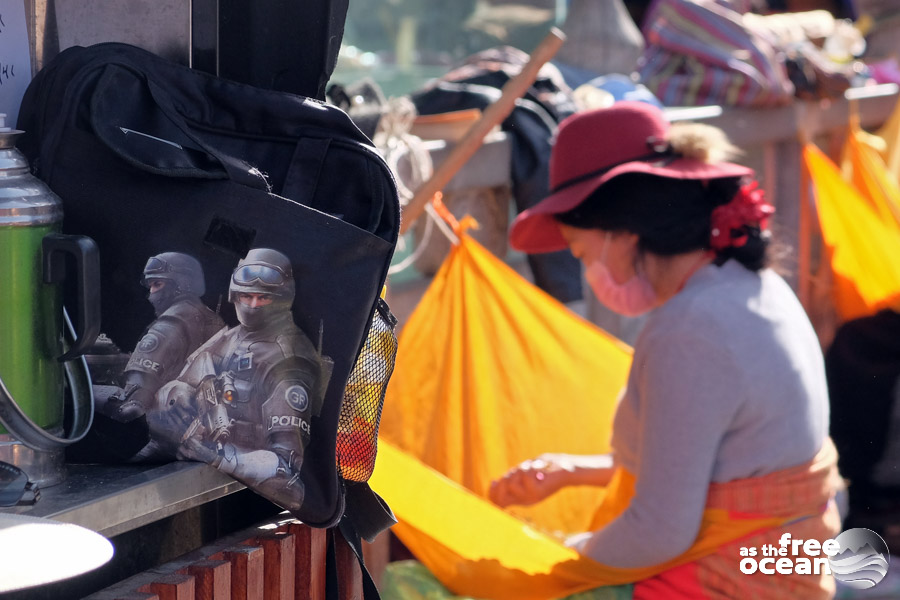
It all felt like suddenly traveling back in time and life seemed peaceful and beautiful. But the appearance is not reflecting the whole truth about the situation in Tibet. The constant presence of Chinese soldiers shows that tensions still exist. Though, politics remains a taboo subject and tourists are advised to temper their curiosity when engaging in sensitive conversations.

LHASA TIBET

The Drepung and Sera monasteries

It was only the third day of our stay in Lhasa when our guide picked us up from the hotel. The first day is usually reserved for acclimatizing to the high altitude. It is also advised not to take any shower on the first day due to the risk of dehydration. Instead, plenty of water should be consumed, as well as fruits to supply the body with necessary vitamins. Another problem of being at high altitudes is the thin air that might make breathing harder, but oxygen supplies are usually available.

We were a group of 8 people sharing a minivan that brought us around Lhasa, guided by Jigme, our wonderful guide from Tibet Vista. The first stop of the trip was the Drepung Monastery, the largest in Tibet. Apart from a beautiful view over the entire city and a chance to explore the interiors, including their gigantic kitchen, the Monastery offers a deeper understating of religious practices and traditions. And there is no other better way to understand Tibetan Buddhism than by watching monks debating, which is what we did later in the courtyard of the Sera Monastery. The experience was unique and, luckily for us, visitors were allowed to witness it.


We’ve also seen the largest wall painting of Buddha and detailed sand mandalas and we visited a religious text printing house.

LHASA TIBET


The day ended back at the hotel, where we all ate dinner together and had a chance to get to know each other better. The oldest member of our group was Margrit, an adventurous lady that, despite being in her 80s, still ventures out to explore the world.

The Potala Palace

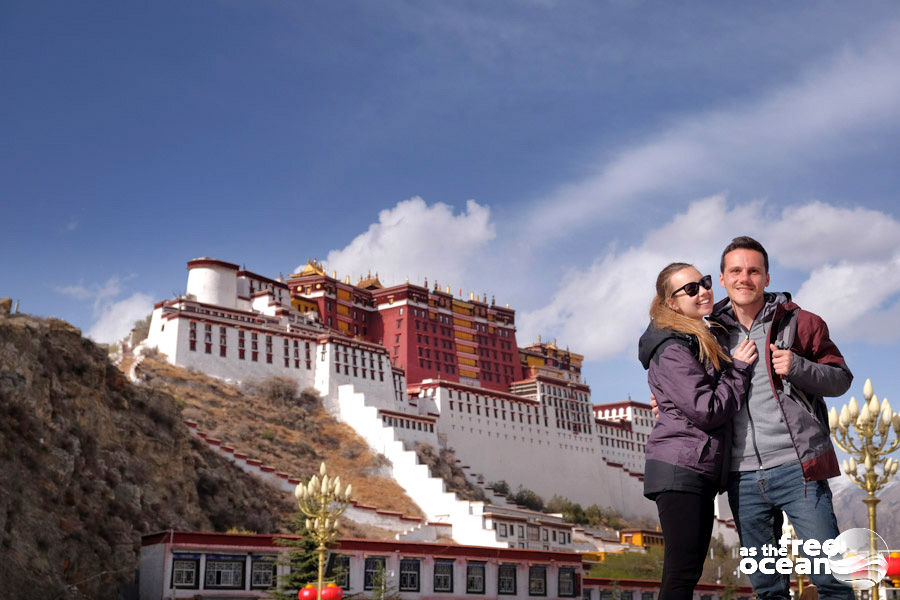
The next day our guide led us on the streets of old Lhasa, to see pilgrims on the Barkhor Street and prayers spinning wheels on a circuit around the Jokhang temple. The afternoon was reserved for visiting the most important landmark in Tibet, the famous Potala Palace. Beautiful and impressive from the outside, the former home of the Dalai Lama hides ancient scripts and secrets, together with magnificent Stupas that are hosting the mummified bodies of some of the previous Dalai Lamas. The most famous is the one of the 13th Dalai Lama, containing more than 590 kilograms of gold and being embedded with 100,000 pearls and precious stones.

The palace has more than 1000 rooms, but only a few are open to tourists and pilgrims. Taking pictures is not allowed inside the palace or any of the monasteries. After a late lunch, we went to the park of “Tibet Peaceful Liberation Monument” (the name does not really describe the real historic facts), located in front of the Potala Palace, from where we could witness the sunset over its mysterious walls.

LHASA TIBET

We walked back to the hotel for our last dinner, before getting ready to say goodbye to Lhasa. The following days would take us on top of the Himalayan Mountains, through the wildest and the most spectacular landscapes of the Tibetan Plateau. Read more about it here.

July 28, 2018/by Ndu
http://www.freeastheocean.com/wp-content/uploads/2019/08/TIBET-97-B.jpg 600 900 Ndu https://www.freeastheocean.com/wp-content/uploads/2019/03/FREE-AS-THE-OCEAN-LOGO-WHITE-SMALL.png Ndu2018-07-28 16:01:582019-11-02 17:23:54Lhasa – the ancient capital of Tibet

Pages

  • ABOUT US
  • Anmeldung English Book Club – The Little Prince
  • Blog Classic Grid
  • Coming Soon Page
  • Gallery
  • Gallery Agra
  • Gallery Argentina
  • Gallery Bagan
  • Gallery Bangkok
  • Gallery Beijing
  • Gallery Bengaluru
  • Gallery Buenos Aires
  • Gallery Bukit Lawang
  • Gallery Chile
  • Gallery China
  • Gallery Chitwan
  • Gallery Colombo
  • GALLERY COUNTRIES
  • Gallery Dambulla
  • Gallery Ella
  • Gallery Galle
  • Gallery George Town
  • Gallery Great Wall
  • Gallery Guilin
  • Gallery Hakone and Lake Ashi
  • Gallery Himalayas
  • Gallery Hiroshima
  • Gallery Hong Kong
  • Gallery India
  • Gallery Indonesia
  • Gallery Irkutsk
  • Gallery Jaipur
  • Gallery Jaisalmer
  • Gallery Japan
  • Gallery Jodhpur
  • Gallery Kamakura
  • Gallery Kandy
  • Gallery Kathmandu
  • Gallery Kuala Lumpur
  • Gallery Kuching and Bako National Park
  • Gallery Kyoto
  • Gallery Lake Toba
  • Gallery Laos
  • Gallery Lhasa
  • Gallery Listvyanka
  • Gallery Luang Prabang
  • Gallery Malaysia
  • Gallery Mandalay
  • Gallery Mekong Cruise
  • Gallery Mirissa
  • Gallery Moscow
  • Gallery Mount Ijen
  • Gallery Myanmar
  • Gallery Nara
  • Gallery Nepal
  • Gallery New Delhi
  • Gallery Nong Khiaw
  • GALLERY NORTHEAST ASIA
  • Gallery Osaka
  • Gallery Perito Moreno
  • Gallery Phuket
  • Gallery Russia
  • Gallery San Pedro de Atacama
  • Gallery Shanghai
  • Gallery South America
  • Gallery South Asia
  • Gallery Southeast Asia
  • Gallery Sri Lanka
  • Gallery Thailand
  • Gallery Tibet
  • Gallery Tokyo
  • Gallery Ushuaia
  • Gallery Vladivostok
  • Gallery Yangon
  • Gallery Yogyakarta
  • Gallery Yokohama
  • Gallery Zhangjiajie
  • Home
  • Home Test
  • Languages
  • Legal notice
  • Legal notice
  • Mailchimp Signup
  • MAIN PAGE EN
  • Maintenance mode
  • MAINTENANCE MODE
  • Nach der Anmeldung English Book Club – The Little Prince
  • Newsletter
  • Our stories/Blog
  • Packing list? The question we can not answer
  • Post Slider
  • Posts Argentina
  • Posts Chile
  • Posts China
  • Posts Hong Kong
  • Posts India
  • Posts Indonesia
  • Posts Japan
  • Posts Laos
  • Posts Malaysia
  • Posts Myanmar
  • Posts Nepal
  • Posts Peru
  • Posts Russia
  • Posts Sri Lanka
  • Posts Thailand
  • Posts Tibet
  • Privacy Policy
  • Responsible travel and how you can be a better traveler
  • Stories from around the world
  • Stories from the Ocean
  • Terms of Service
  • TEST PAGE FOR MAP
  • The Longji Rice Terraces Gallery
  • Travel ABC
  • Wie wir unsere Reisen finanzieren

Categories

  • Argentina
  • China
  • Hong Kong
  • India
  • Indonesia
  • Japan
  • Laos
  • Malaysia
  • Myanmar
  • Nepal
  • News
  • Ocean
  • Russia
  • Sri Lanka
  • Thailand
  • Tibet
  • Uncategorized

Archive

  • February 2020
  • August 2019
  • March 2019
  • February 2019
  • January 2019
  • December 2018
  • November 2018
  • October 2018
  • September 2018
  • August 2018
  • July 2018
  • June 2018
  • May 2018
  • April 2018
  • March 2018
  • February 2018
  • August 2012
  • May 2012

DISCLOSURE

Behind the links/banners etc. marked with (*) are affiliate links and advertisements. If you buy something through these links, we will receive a small commission. This will not make the product more expensive for you. We are very happy with your support.

Privacy Policy | Legal Notice | Cookies-Settings

GET IN TOUCH!

Do you have a question, a comment, or do you just have something nice to say? We want to hear from you! Leave us a message and we will reply as soon as possible. Thank you!

E-mail:  freeoceantravelers [at] gmail.com

© Free as the Ocean 2018-2021
  • Link to Instagram
  • Link to Facebook
  • Link to Youtube
Scroll to top Scroll to top Scroll to top
Manage Cookie Consent
To provide the best experiences, we use technologies like cookies to store and/or access device information. Not consenting, or withdrawing consent, may adversely affect certain features and functions.
Functional Always active
The technical storage or access is strictly necessary for the legitimate purpose of enabling the use of a specific service explicitly requested by the subscriber or user, or for the sole purpose of carrying out the transmission of a communication over an electronic communications network.
Preferences
The technical storage or access is necessary for the legitimate purpose of storing preferences that are not requested by the subscriber or user.
Statistics
The technical storage or access that is used exclusively for statistical purposes. The technical storage or access that is used exclusively for anonymous statistical purposes. Without a subpoena, voluntary compliance on the part of your Internet Service Provider, or additional records from a third party, information stored or retrieved for this purpose alone cannot usually be used to identify you.
Marketing
The technical storage or access is required to create user profiles to send advertising, or to track the user on a website or across several websites for similar marketing purposes.
  • Manage options
  • Manage services
  • Manage {vendor_count} vendors
  • Read more about these purposes
View preferences
  • {title}
  • {title}
  • {title}